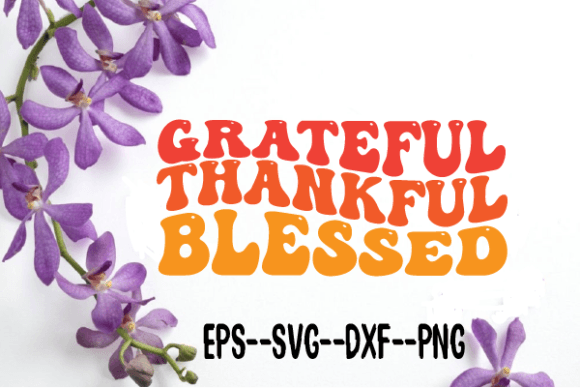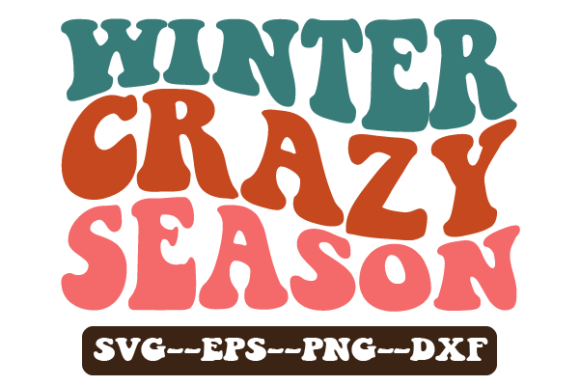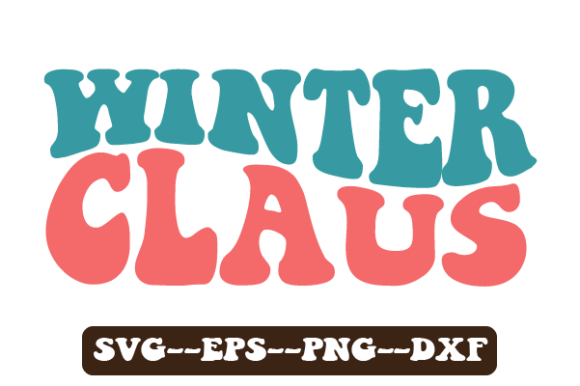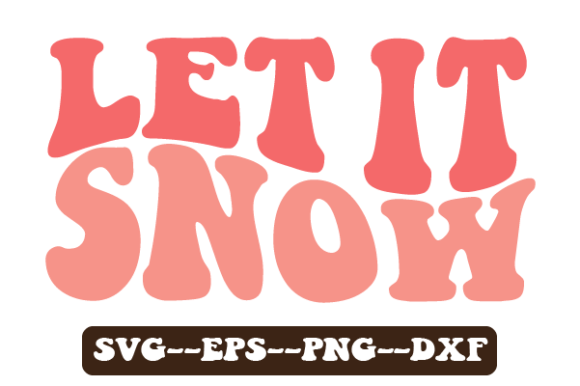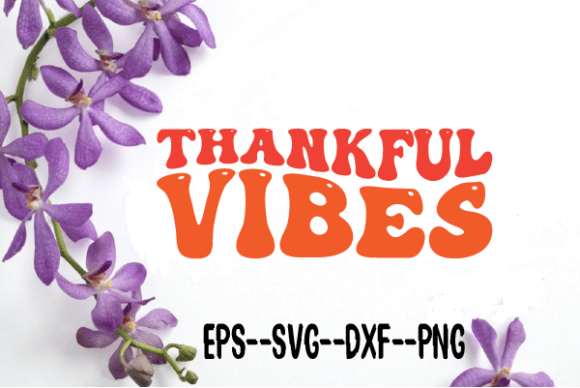
Thankful Vibes New Retro Wavy Svg
When I sit down to evaluate a new digital asset for my embroidery studio, I am rarely looking for just another pretty picture. I am looking for viability. I need to know if a design will hold up on fabric, if it translates well from screen to stitch, and if it will actually sell or satisfy a client who paid for a personalized item. That is exactly why I pulled Thankful Vibes New retro wavy svg sublimation Design into my workflow today. While the file comes in DXF and EPS formats—making it technically a graphic or vector asset rather than a native machine embroidery file—the way this design behaves when translated into textile art is what truly matters to us as makers.
The "Retro Wavy" aesthetic has been dominating craft fairs and Etsy listings for good reason. It taps into a nostalgic, cozy feeling that resonates with buyers right now. But nostalgia can easily become cluttered if not handled with precision. My first impression of Thankful Vibes New Retro Wavy Svg was one of clean confidence. The typography is bold, the wave pattern is fluid but controlled, and the overall layout feels balanced. It does not scream for attention; instead, it invites the viewer in. This is a crucial distinction for high-end handmade products. We want our customers to feel warmth, not visual noise.
Real-World Application: From Screen to Stitch
To truly judge this design, I moved past the digital preview and thought through how it would perform in specific production scenarios. Let’s look at a custom embroidered tote bag project. Tote bags are workhorses in the craft business. They are durable, practical, and perfect for branding. When applying Thankful Vibes New Retro Wavy Svg to canvas or cotton duck cloth, the wide, sweeping curves of the retro wave offer excellent coverage without requiring excessive stitching density. This means faster hoop times and less risk of fabric puckering, which is a common complaint among buyers of mass-produced goods.
I also considered its application on apparel, specifically sweatshirts and hoodies. The phrase "Thankful Vibes" pairs naturally with autumnal themes, Thanksgiving gatherings, and holiday gifting seasons. On a heather grey or cream-colored sweatshirt, this design would likely be rendered using a combination of fill stitches for the background waves and satin stitches for the lettering. The contrast between the wavy background texture and the crisp text creates a professional hierarchy that guides the eye. For an Etsy seller or small shop owner, this versatility is gold. You can use the same core design concept across different product lines, maintaining brand consistency while offering variety.
Beyond apparel, I see strong potential for home decor items like pillow covers or kitchen towels. A tea towel featuring this design adds a touch of whimsy to a farmhouse-style kitchen. However, this is where we must be careful. Kitchen textiles undergo frequent washing and friction. The design’s reliance on smooth, continuous lines means that thread quality becomes paramount. If you use low-grade polyester thread, the sheen might clash with the matte finish of a cotton towel, undermining the "vintage" feel. Using high-quality rayon or mercerized cotton threads will elevate the finished product, making it feel like a boutique item rather than a quick craft fair sale.
Where Caution Is Required
No design is universally perfect, and Thankful Vibes New Retro Wavy Svg has specific constraints that every embroidery designer should respect. The most significant challenge lies in translation. Since the source files are DXF and EPS, you are essentially creating a custom digitization or planning a large format print-applique hybrid. If you are attempting to digitize this yourself, pay close attention to the corners of the letters and the intersections of the waves. Tiny details often get lost or distorted during the conversion process, especially if the final stitched area is smaller than 4 inches wide.
I strongly advise testing this design on scrap fabric before committing to a customer’s garment. Textured fabrics, such as boucle wool or heavy denim, can hide the subtleties of the wavy line work. Thin fabrics, like lightweight jersey or silk blends, may require additional stabilizer support to prevent the tension of the waves from distorting the material. Furthermore, if you plan to place this design on curved surfaces like baseball caps or beanies, the distortion of the wave pattern might look unintentional unless you account for the curvature during your placement strategy.
Another area requiring scrutiny is color contrast. The retro aesthetic often relies on muted tones or pastel palettes. On dark fabrics, light pastel threads can sometimes struggle to provide enough opacity, leading to a "see-through" effect that looks cheap. Always test your thread colors against your chosen fabric under natural lighting conditions. What looks vibrant on a backlit monitor can appear washed out on a finished hoodie hanging in a retail window.
Impact on Brand and Customer Trust
In the world of handmade products and commercial embroidery, presentation is everything. A design like Thankful Vibes New Retro Wavy Svg contributes significantly to perceived value. It signals that the maker understands current trends but respects classic composition. When a buyer receives a personalized gift featuring this design, they are not just buying a piece of cloth; they are buying a mood. The "thankful" theme evokes gratitude and connection, which are powerful emotional drivers for gifts, particularly around holidays and weddings.
For craft business owners, this design supports a cohesive brand identity. If your shop focuses on cozy, retro-inspired goods, having a versatile graphic like this allows you to expand your inventory without diluting your aesthetic. Whether it appears on a baby onesie, a nursery wall hanging, or a branded apron, the consistent style reinforces trust. Buyers come to recognize your signature look, and that recognition is what turns one-time purchasers into loyal repeat customers.
Practical Notes for Implementation
- Stabilizer Selection: Given the wavy nature of the design, a cut-away stabilizer is recommended for stretchy knits to maintain stability during washing.
- Mockup Testing: Before purchasing physical materials, create black and white mockups to check the balance of positive and negative space.
- Licensing Check: Although the product description mentions usage for t-shirts and mugs, always verify the commercial license terms. Ensure you have the right to sell finished goods made from this design, especially if you are operating at scale.
- Detail Inspection: Zoom in on the digital file. Are there any tiny serifs or intricate cuts that might cause thread breaks? Simplify if necessary for better durability.
Ultimately, Thankful Vibes New Retro Wavy Svg is a strong contender for designers looking to add seasonal relevance and visual interest to their portfolio. It is not just a graphic; it is a foundation for creating meaningful, wearable, and usable art. By approaching it with technical caution and creative intention, you can transform a simple vector file into a standout finished product that customers will cherish.