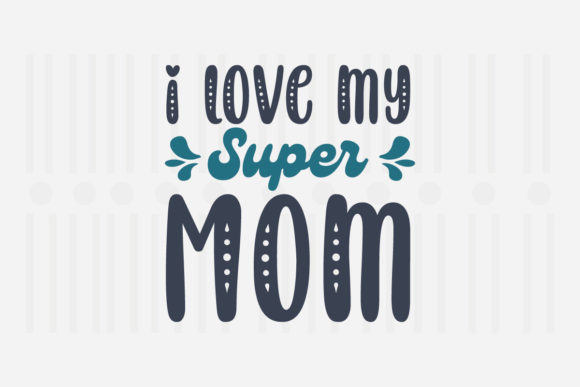
Review: I Love My Super Mom SVG for Embroidery
As a designer who spends half my life staring at stitch paths and the other half worrying about thread tension, I don’t just buy digital files—I stress-test them. When I came across the I Love My Super Mom,Mother s Day SVG, my first instinct was to look past the cute title and examine the structural integrity of the design itself. Would it hold up on a busy fabric? Would it read clearly from three feet away? And most importantly, would it translate into a finished product that feels premium rather than mass-produced?
This review isn’t about whether the graphic looks pretty in a flat JPEG. It’s about how this specific design asset behaves when pushed through an embroidery machine, applied to real-world materials, and sold as part of a handmade business or personal gift project.
The First Impression: Mood and Visual Personality
The moment you load the file, the vibe is immediate. This isn’t subtle minimalist art; it’s bold, affectionate, and celebratory. The phrase "I Love My Super Mom" carries a specific emotional weight—it speaks to strength, care, and admiration. Visually, the layout needs to support that energy without feeling cluttered. In my experience, text-heavy designs often fail because the kerning (spacing between letters) gets lost during digitization. However, this design appears to have enough breathing room around the primary quote to maintain readability.
The theme naturally lends itself to soft, comforting aesthetics. It creates a mood that is perfect for spring and summer seasons, particularly around Mother’s Day. For a crafter or Etsy seller, this emotional resonance is your biggest selling point. Customers aren’t just buying a stitched logo; they are buying a token of appreciation. The design’s personality aligns perfectly with products meant to be hugged, worn close to the body, or displayed in the home.
Real-World Application: Where Does This Design Shine?
Let’s talk about actual use cases. I ran mental simulations of placing this embroidery file on various items to see where it fits best. The versatility here is high, but some applications will yield better results than others.
- Custom Apparel: This is the bread and butter for many craft businesses. On a cotton t-shirt or a fleece sweatshirt, the design will pop. The contrast between the thread and the fabric is crucial here. If you are making custom apparel for a boutique client, ensure you choose thread colors that stand out against the garment base. A white script on a navy blue tee is classic, but a pastel pink on a heather gray shirt feels more modern and trendy.
- Tote Bags and Canvas Items: A sturdy canvas tote bag provides a stable surface for stitching. The texture of canvas can actually hide minor imperfections in stitch density, making it a forgiving medium for beginners. This makes the tote bag design ideal for back-to-school gifts or everyday carry items that moms might actually use.
- Baby and Nursery Decor: While the message is for mom, the aesthetic often appeals to nursery themes. Think onesies for baby showers or quilt squares. The softness associated with "mom" themes pairs well with delicate fabrics, provided the stitch density isn’t too heavy. You want the item to remain soft to the touch, not stiff like cardboard.
- Kitchen and Home Goods: Tea towels, aprons, and pillow covers are excellent candidates. These items see frequent washing, so the durability of the stitch matters. A well-executed machine embroidery design on a linen tea towel adds a touch of elegance that store-bought prints simply cannot match.
Technical Considerations and Potential Pitfalls
Not every surface is created equal. As an experienced reviewer, I need to warn you about where this design might struggle. Precision in embroidery requires planning, and ignoring these factors can lead to frustrated customers.
Hoop Size and Detail Level: If the design includes tiny decorative elements or very thin lettering, you must check the minimum hoop size. Small hoops limit the physical space available for stitches, which can cause overlapping lines to merge into a blob. Always test the design at its intended scale before committing to production.
Fabric Texture and Stability: Avoid using this design on highly textured fabrics like bouclé or loose-weave knits unless you are extremely confident in your stabilizer choices. The needle can get caught, leading to skipped stitches. Similarly, stretchy fabrics like jersey require a strong cut-away stabilizer to prevent the design from warping as the fabric moves. If you are working with dark fabric, remember that light threads may require multiple passes, increasing the stitch density and potentially making the area stiff.
Curved Surfaces: Caps and hats present unique challenges. Unless the design is specifically digitized for a cap frame, applying a standard rectangular design to a curved brim can result in distortion. Flat surfaces like pillow covers or flat-fronted bags are much safer bets for maintaining the integrity of the typography.
Design Assets and Commercial Viability
One of the standout features mentioned in the product description is the inclusion of source files (EPS/SVG) and the ability to change colors easily. For a digital product seller or an Etsy seller, this is huge. It means you aren’t locked into one color palette. You can adapt the design assets to match seasonal trends—pastels for Easter, brights for summer, or warm tones for fall.
However, there is a critical step often overlooked: licensing. Before you start printing mockups or selling handmade products, you must verify the commercial rights. Can you sell unlimited finished items? Is attribution required? Assuming the file allows for commercial use, this design has high potential for craft business growth because it taps into a recurring holiday market with universal appeal.
The 300dpi resolution mentioned for the visual preview ensures that your printable mockup will look professional on social media. High-quality visuals drive clicks, and clear visuals build trust. When a buyer sees a crisp, well-defined embroidery simulation, they are more likely to believe the final product will look just as good.
Practical Designer Notes for Success
If you decide to incorporate this embroidery project into your workflow, follow these practical steps to ensure a professional finish:
- Test on Scrap Fabric: Never run a new design directly onto your final product. Use a scrap piece of the same fabric and stabilizer combination. This reveals issues with puckering, thread breaks, or tension problems early.
- Check Thread Contrast: Lay your thread spools next to the fabric under natural light. Digital screens lie. What looks distinct on a monitor might blend into the fabric in person.
- Inspect Stitch Density: Look closely at the fill areas. Are they too dense? Excessive density wastes time and thread, and it makes the fabric stiff. If possible, adjust the settings in your embroidery software to optimize stitch count.
- Black and White Mockup: Convert your design preview to grayscale. This helps you see if the value contrast is sufficient. If the text disappears in black and white, it will likely disappear in color too.
- Confirm Stabilizer Choice: Match the stabilizer to the fabric weight. Light fabrics need lightweight tear-away or wash-away stabilizers; heavy fabrics need cut-away. Using the wrong stabilizer is the number one cause of poor embroidery results.
Final Verdict
The I Love My Super Mom,Mother s Day SVG is a solid, emotionally resonant choice for designers looking to capitalize on the gifting season. It offers flexibility through its editable nature and works well across a variety of mediums, from apparel decorators creating sweatshirt embroidery to hobbyists making personalized gifts.
It is not a magic bullet—no single file is. Success depends on your execution, your material choices, and your attention to detail. But as a foundational design asset, it provides a strong platform for creating high-quality, meaningful finished products. Just remember to respect the technical limitations of embroidery, test thoroughly, and always prioritize the tactile experience of the end user. When done right, this design won’t just sit on a shelf; it will be worn, used, and cherished.