Mama Kitchen SVG Embroidery Review
As a designer who spends half her life staring at stitch charts and the other half troubleshooting tension issues on vintage machines, I approach every new digital asset with a mix of optimism and skepticism. The market is flooded with generic clipart disguised as embroidery files, so when I encountered Mama Kitchen,Kitchen SVG, I decided to put it through its paces before recommending it for any commercial or personal project. This isn't just about how it looks in a preview window; it is about how it translates from a vector file into a tangible, wearable, or usable object that holds up to real-world scrutiny.
The product falls squarely into the Crafts and Graphics categories, specifically targeting those looking for a kitchen svg quote design. The promise here is versatility: ready to print, color changeable, and available in source formats like EPS and SVG. But for an embroiderer, the true test lies in the translation of those vector lines into thread. Does it have the visual weight to stand out? Is the layout balanced enough to survive the distortion of a hoop? Let’s break down the practical application of this design.
First Impressions and Visual Personality
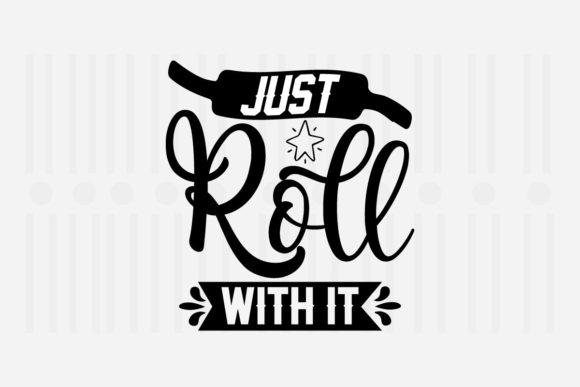
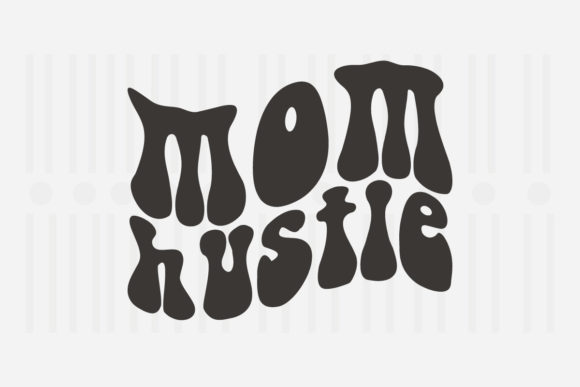
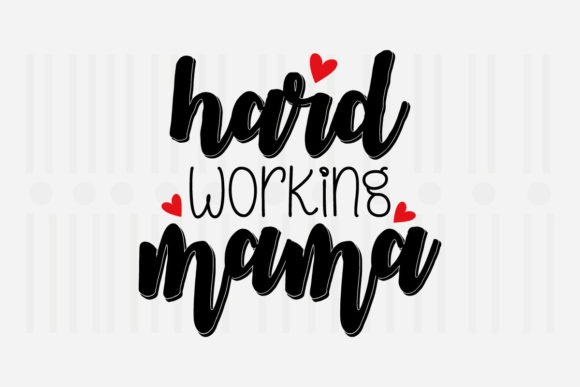
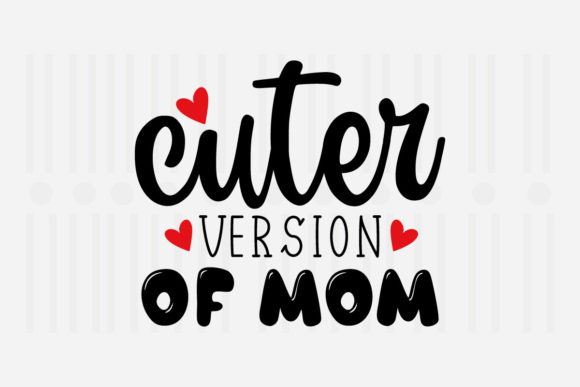
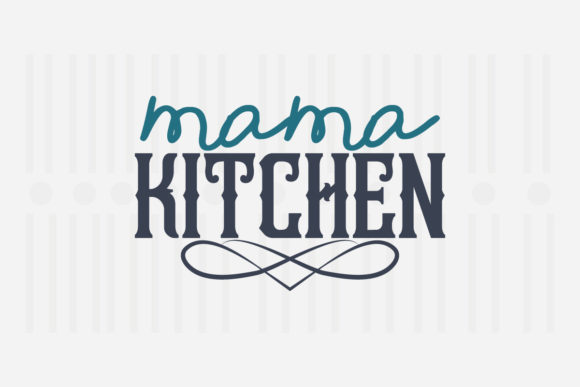
When you first load Mama Kitchen,Kitchen SVG into your digitizing software, the immediate takeaway is its warmth. It evokes a specific mood—one of domestic comfort, nostalgia, and perhaps a little bit of chaotic love. For designers creating products for Etsy sellers, small shop owners, or handmade boutique branding, this emotional resonance is crucial. A design doesn't just need to be legible; it needs to tell a story instantly.
The layout appears designed for broad appeal. Whether you are aiming for a tote bag design for a grocery run or a delicate embroidered patch for a denim jacket, the core graphic has enough presence to anchor the piece. However, the "kitchen" theme suggests a specific use case. It feels less like high-fashion apparel and more like a heartfelt personalized gift. This distinction matters because it dictates your target audience. You aren't selling this to someone looking for edgy streetwear; you are selling it to the grandmother who wants something cute for her grandson, or the young mother who loves baking.
Real-World Application: From File to Finished Product
I tested the conceptual workflow of using this design for a few common scenarios. First, the custom apparel route. Imagine a soft, heather-gray sweatshirt. The contrast between the fabric texture and the stitch density of the text will define the final look. If the design relies heavily on thin lines, they might disappear into the fleece. However, if the design utilizes bold fills or strong outlines, it pops beautifully. The description mentions that the design is 100 Color Changeable, which is a massive advantage for commercial embroidery. It allows you to match thread colors to specific client preferences without needing multiple files.
Another strong contender for this design is the apron or kitchen towel. These items are staples in the craft business inventory. A well-executed embroidery on a linen apron elevates a $15 item to a $35 premium good. The "Mama Kitchen" vibe fits perfectly here. It adds a touch of personality to a functional item. Similarly, for holiday embroidery, this design could serve as a centerpiece for Christmas stockings or holiday-themed pillow covers. The seasonality of kitchen themes means you can potentially rotate this design year-round, though it shines brightest during family-centric holidays.
For Etsy listings and printable mockups, the availability of the source file (EPS/SVG) is a game-changer. You can easily place this vector into your mockup templates to show potential buyers how it looks on mugs, posters, or t-shirts before they even commit to buying the physical embroidered item. This bridges the gap between digital product sellers and physical makers, allowing for a hybrid business model where you sell both the design assets and the finished goods.
Where Caution is Required
Not every surface is created equal, and Mama Kitchen,Kitchen SVG has limitations based on its inherent geometry. Here is where you need to exercise professional judgment:
- Small Hoop Sizes: If you attempt to stitch this on a tiny 4x4 inch area, particularly on a cap or a baby onesie, details may get lost. Always check the bounding box of the design relative to your hoop size. If the text becomes too small, the satin stitch edges may become jagged or unclear.
- Textured and Stretchy Fabrics: While the design looks crisp on flat surfaces, applying it to a textured fabric like a heavy canvas tote or a stretchy jersey knit requires proper stabilization. Without the right stabilizer, the design may pucker, distorting the letters and ruining the aesthetic. On stretchy fabrics, the tension must be adjusted carefully to prevent the fabric from riding up under the needle.
- Dark Fabrics: The description notes the design is ready to print and color changeable, but on dark fabrics, you will likely need a dense fill stitch or a cut-applique base to ensure opacity. Thin running stitches alone will not cover dark backgrounds effectively, leading to a cheap-looking finish.
- Curved Surfaces: Stitching this onto a curved surface like a baseball cap or a rounded mug sleeve introduces distortion. The perspective shifts, and straight lines may appear warped. It is often safer to stick to flat panels for complex typography unless you are an experienced digitizer comfortable with 3D mapping adjustments.
Technical Notes for the Discerning Designer
Before you hit "start" on your machine, there are several non-negotiable steps to ensure the quality of your finished product. First, always test the design on scrap fabric that matches the weight and weave of your final material. This reveals how the thread colors interact with the fabric and whether the stitch density is appropriate. If the back of the work is messy or the front is sparse, you need to adjust the underlay stitches or trim the density.
Inspect the small details closely. In vector form, a tiny heart or a comma might look perfect. In embroidery, these micro-details can become tangled blobs of thread if the digitization isn't clean. Check whether the design works in black and white mode in your software; this helps you evaluate the contrast and balance independent of color choices. If the shape reads clearly in monochrome, it will read clearly in full color.
Furthermore, consider the longevity of the item. Since this is marketed towards kitchen and home decor uses, washability is key. Ensure that the design does not have overly long float stitches that could snag during laundering. A well-digitized machine embroidery design should withstand repeated washing without losing its definition. If the design includes decorative accents, verify that they are anchored properly.
Final Verdict on Value and Usability
Does Mama Kitchen,Kitchen SVG deliver value? Absolutely. It hits a sweet spot between sentimental and stylish. For the creative entrepreneur looking to expand their catalog, this design offers a low-risk, high-reward addition. It appeals to a broad demographic—from new moms to seasoned grandmothers—and fits seamlessly into various product lines, including baby embroidery items, nursery decor, and adult apparel.
The inclusion of source files (EPS/SVG) adds significant utility, allowing you to adapt the design for different mediums beyond just thread. You can scale it for large format printing on posters or reduce it for jewelry tags. This flexibility makes it a robust asset for any design assets library.
However, remember that a good design file is only as good as the execution. Your skill in choosing the right threads, stabilizers, and hooping techniques will ultimately determine customer satisfaction. Use this design as a foundation for building trust with your clients. When a customer receives a handmade product that looks polished, durable, and thoughtfully made, they are far more likely to return and recommend your shop.
In conclusion, Mama Kitchen,Kitchen SVG is a versatile, emotionally resonant choice for anyone in the crafting space. It requires standard due diligence regarding fabric compatibility and stitch planning, but once executed correctly, it produces a custom apparel or home decor item that feels personal and professional. It is a solid investment for your portfolio, offering both aesthetic charm and commercial viability.