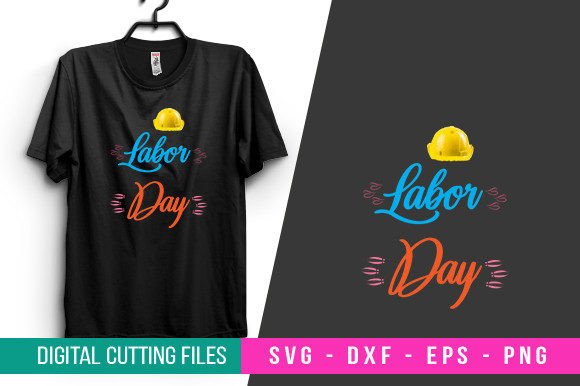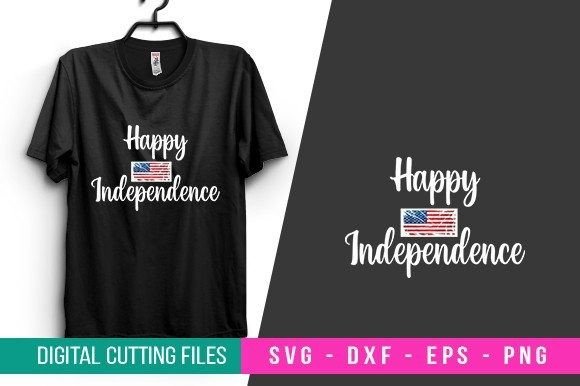
Happy Independent T-Shirt Design Review
When I sit down to evaluate a new digital asset for my embroidery studio, I am rarely impressed by flashy graphics alone. As a designer who spends hours staring at stitch paths and tension settings, my first instinct is always practical: will this actually look good when stitched? Today, I am putting the Happy Independent T-Shirt Design under that same microscope. This product is marketed as an SVG quote design suitable for Cricut Design Space, Silhouette Studio, and various cutting machines, but for those of us working with needle and thread, the question is different. Can this typography translate into a high-quality machine embroidery design that holds up on real garments?
The term "Happy Independent" suggests a mood of self-reliance, creativity, and perhaps a touch of bohemian spirit. From a visual perspective, the layout appears to prioritize legibility and charm over complex illustration. For an embroidery project involving text, simplicity is often your best friend. Intricate details in small lettering can turn into muddy blobs if the stitch density isn't managed perfectly. My initial impression is that this design leans toward a clean, bold aesthetic that should render well on medium to large hoop sizes.
Real-World Application: The Boutique Sweatshirt
To truly understand the value of this file, I imagine it in a specific production scenario. Let’s say I am preparing a batch of custom apparel for a local craft fair or an Etsy seller looking to launch a new line of handmade products. The target item is a heavyweight cotton sweatshirt for a creative entrepreneur client. We want something that screams "maker" without being cluttered.
In this context, the Happy Independent T-Shirt Design shines. Placed slightly off-center on the chest or centered on the back, the typography allows the fabric texture to breathe. Unlike a dense fill-stitch block that can make a garment stiff and uncomfortable, a well-executed text design maintains the soft hand-feel that customers expect from premium custom apparel. When I visualize the finished product, I see a wearable piece of art rather than just a logo. It feels personal, which is exactly what drives engagement in the craft business.
This design also translates beautifully to other items beyond standard tees. Imagine it embroidered on a canvas tote bag design for a market vendor, or stitched onto a linen apron for a home baker. The versatility here is key. Because the source file is provided as an SVG, it offers flexibility. While I am reviewing it from an embroidery standpoint, the fact that it works in cutting software means you can create vinyl decals or heat-transfer labels as alternatives for fabrics that are too delicate for heavy stitching. This dual-purpose nature adds significant value for a small shop product owner who needs to adapt to different customer requests.
Technical Considerations for Embroidery Filenames
While the concept is strong, the execution depends entirely on how the file is digitized. If you are converting this SVG directly into a machine embroidery design, you must be cautious. Automatic conversion tools often fail to account for fabric texture and stretch. Here is where professional judgment comes in.
First, consider the hoop size. Text designs can sometimes warp if the fabric moves during stitching. Ensure you use a sturdy stabilizer—likely a cut-away for knits like sweatshirts or a tear-away for stable wovens like tote bags. Without proper support, even the most beautiful embroidery file will pucker. Second, inspect the curves of the letters. If the design relies on thin lines, ensure they are converted to appropriate satin stitches or applied stitches rather than simple running stitches, which can break easily on curved surfaces like caps or hats.
I also recommend testing the design in black and white mockups before committing to thread colors. Sometimes, a color choice that looks vibrant on screen disappears against a dark background or clashes with the garment. For a theme like "Independent," earthy tones, muted pastels, or high-contrast black-on-white work exceptionally well. Avoid overly bright neons unless you are targeting a very specific youth demographic, as they can sometimes detract from the sophisticated vibe of the quote.
Where to Use It Carefully
Not every surface is created equal. There are specific scenarios where this design might struggle:
- Small Hoop Sizes: If the lettering is intricate, shrinking it down for a tiny cap front may result in lost details. Keep the minimum size generous enough for the eye to read the message.
- Stretchy Fabrics: Spandex or thin jersey materials require extra stabilization. If the design has long vertical lines, they may distort. Test on scrap fabric first.
- Dense Stitch Areas: If the design includes decorative accents around the text, watch out for excessive bulk. Too many layers of thread can cause the needle to break or the fabric to pucker, especially on lightweight tea towels or baby clothes.
- Curved Surfaces: Embroidering on a baseball cap requires a specialized hoop. Flat designs often need to be adjusted for curvature to avoid distortion at the edges.
Visual Appeal and Brand Consistency
From a branding perspective, the Happy Independent T-Shirt Design supports a narrative of authenticity. In the world of digital product sellers and creative entrepreneurs, consumers are looking for connection. A shirt that says "Happy Independent" isn't just clothing; it's a statement. When you produce this as a finished product, you are selling that feeling.
The clarity of the typography builds trust. Customers can instantly read the message, which reduces cognitive load and increases the perceived value of the item. It looks professional because it is readable. In contrast, overly stylized fonts that are hard to decipher can make a handmade product feel amateurish. This design strikes a balance between artistic flair and commercial viability.
Furthermore, its adaptability makes it excellent for gift sets. Pair an embroidered patch version of this design with a matching iron-on decal (using the SVG) for a versatile gift package. You could offer a personalized gift option where the customer chooses their preferred colorway, enhancing buyer engagement and allowing for higher price points due to the customization factor.
Practical Designer Notes
Before you upload this to your machine or send it to production, follow these steps:
- Test on Scrap Fabric: Always run a test stitch-out. Check the tension and how the threads interact with your specific fabric weight.
- Review Stitch Density: Ensure the digitization (if done by someone else) uses appropriate density. Too sparse, and the backing shows through; too dense, and the fabric becomes rigid.
- Confirm Licensing: Since this is sold as a digital file, check the license terms carefully. Are you allowed to sell the physical items? Is there a limit on units? This is crucial for any commercial embroidery venture.
- Check File Formats: Verify that you have the correct embroidery format (e.g., PES, DST, JEF) for your machine, not just the SVG for cutting.
- Inspect Small Details: Zoom in on the vector file. Are there any tiny elements that won't survive the embroidery process? Simplify if necessary.
In conclusion, the Happy Independent T-Shirt Design is a solid addition to any graphics library aimed at makers. It offers a positive, empowering message that resonates with today's DIY culture. Its strength lies in its simplicity and versatility, making it suitable for everything from nursery decor to boutique branding. By paying attention to the technical details—stabilizers, thread choices, and licensing—you can transform this digital asset into a tangible, profitable, and beloved embroidery project. Whether you are a hobbyist making gifts or an Etsy seller scaling your brand, this design provides the foundation for creating meaningful, high-quality goods.