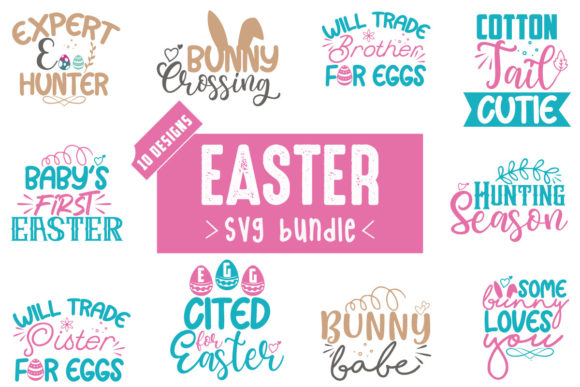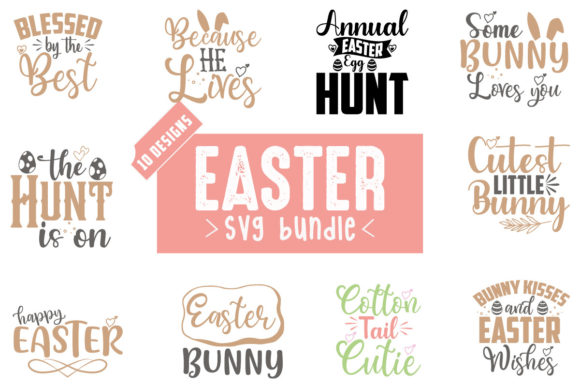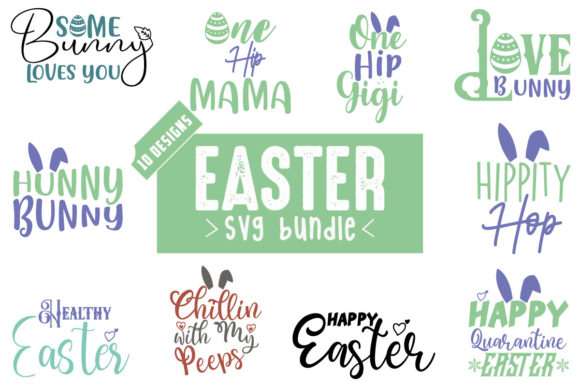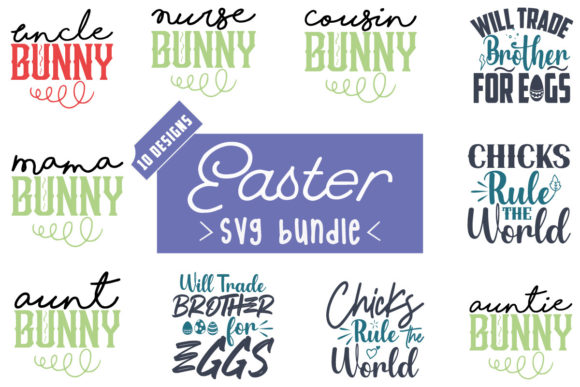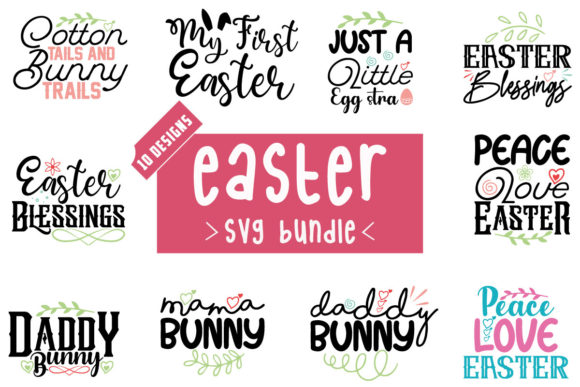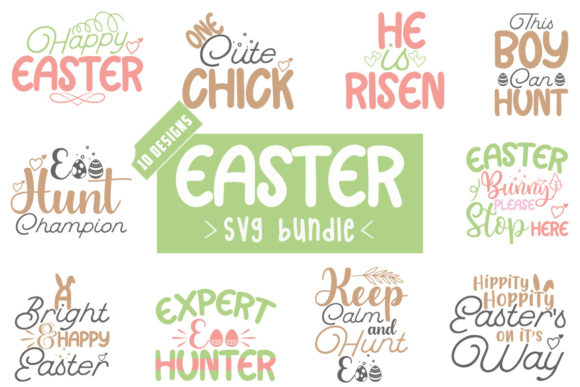
Easter SVG Bundle Vol.12 Review
As a designer who spends more time looking at stitch lines than actual fabric, I approach every new digital embroidery file with a healthy dose of skepticism. The market is saturated with vector packs that look beautiful on screen but fall apart when the needle hits the cloth. Recently, I pulled up the Easter SVG Bundle Vol.12 to see if it holds up in a real-world production environment. This bundle is categorized under Crafts and Graphics, which immediately tells me we are dealing with vector-based assets meant for conversion into machine embroidery designs. My goal here is not just to tell you what it looks like, but to evaluate how it performs as a commercial asset for your handmade product line.
First Impressions: Mood and Visual Personality
The first thing any good embroidery project needs is a clear visual identity. When I opened the files from the Easter SVG Bundle Vol.12, the immediate takeaway was clarity. In the world of holiday embroidery, specifically holiday embroidery like Easter, there is often a tendency toward clutter—too many bunnies, too many eggs, too much text competing for space. This bundle avoids that trap. The layout feels intentional and balanced, creating a mood that is cheerful without being chaotic.
The design personality leans towards clean, modern aesthetics rather than overly ornate or vintage styles. This makes it incredibly versatile. For an Etsy seller or a small shop product owner, this versatility is gold. It suggests a design that can fit seamlessly into a minimalist nursery collection or stand out as a bold statement piece on a tote bag. The shapes are distinct, which is crucial because complex, jagged edges in a vector file often translate to messy satin stitches in embroidery. Here, the curves feel smooth, promising a cleaner finish on the final garment.
Real-World Application: From Screen to Stitch
Let’s talk about where this design actually lives. I imagined using the Easter SVG Bundle Vol.12 for a custom embroidered tote bag design intended for a spring craft fair. Tote bags are high-volume items, and they require designs that are legible from a distance. Because these files include source formats like EPS and SVG, the scalability is perfect. You can test the design in various sizes before committing to digitization.
However, the transition from a graphic to a machine embroidery design requires careful planning. If you plan to use this for sweatshirt embroidery, the design’s balance works well on the chest area. But if you are considering it for baby embroidery on onesies, you need to be mindful of scale. A design that looks spacious on a computer monitor might become cramped when reduced to fit a 4x4 inch hoop. The bundle’s promise of "100 Color Changeable" elements is a significant advantage here. It allows you to adapt the thread colors to match specific brand palettes or seasonal trends without losing the structural integrity of the artwork.
I also considered its potential for commercial embroidery projects, such as branded aprons or kitchen towels. The clean lines of the bundle make it suitable for applique design workflows as well. If you are skilled in cut-applique techniques, the solid shapes within the vector file could serve as excellent base layers, reducing the total stitch count while adding texture and dimension to the finished product. This adds value to your handmade product, allowing you to charge a premium for more intricate work.
Where to Exercise Caution
No design is perfect for every surface, and being honest about limitations is part of professional review. There are specific scenarios where the Easter SVG Bundle Vol.12 might present challenges.
- Small Hoop Sizes: If your design contains fine details or small lettering, testing it in a 4x4 hoop is essential. Tiny elements can get lost or distort if the stitch density is too high for the available space.
- Textured Fabrics: While the design looks crisp on a flat digital canvas, applying it to heavily textured fabrics like bouclé or thick chenille can obscure the details. For these materials, simpler, bolder outlines work better.
- Stretchy Fabrics: If you are embroidering on knit fabrics like t-shirts or caps, you must use a proper stabilizer. Without adequate support, even a well-designed vector can pucker or shift during stitching, ruining the finished product.
- Dense Stitch Areas: Always inspect the converted file for dense fill areas. Too much thread in one spot creates stiffness, which is uncomfortable for the wearer, especially in custom apparel meant for children.
Additionally, consider the contrast. The description notes that the design is ready to print and color changeable, but on dark fabrics, you will need a heavy underlay or a light-colored backing to ensure the design pops. Dark fabric can swallow up lighter thread colors, so always do a test run.
Impact on Brand and Customer Trust
In the competitive landscape of online marketplaces, presentation is everything. Using a clean, well-structured vector like those in this bundle directly impacts brand consistency. When customers receive a personalized gift or a boutique item, they are judging the quality by the precision of the stitching. A design that converts cleanly from SVG to PES (or your machine’s format) signals professionalism.
Furthermore, the ability to easily modify colors means you can create variations of the same product without designing from scratch. This efficiency boosts your craft business margins. You can offer a pastel version for spring, a bright primary version for kids, and a monochrome version for modern decor, all derived from the same core design assets. This variety keeps your Etsy listings fresh and engaging, driving higher buyer engagement.
Practical Designer Notes for Implementation
Before you upload these files to your digitizing software, follow these practical steps to ensure success:
- Test on Scrap Fabric: Never go straight to the final garment. Use scrap pieces of the same fabric type to check how the embroidery file behaves.
- Check Thread Contrast: Ensure your chosen thread colors provide enough contrast against the background fabric. Low contrast leads to a muddy, unprofessional look.
- Review Stitch Density: Look at the fill stitches. If they are too dense, the fabric will pucker. If too sparse, the backing material might show through.
- Confirm Hoop Size: Verify that the design fits comfortably within your standard hoop sizes, leaving room for hooping stability.
- Inspect Small Details: Zoom in on the smallest elements. Are they large enough to stitch clearly? If not, you may need to simplify the design or increase the size.
- Black and White Mockup: View the design in grayscale. This helps you assess the balance of positive and negative space without the distraction of color.
- Verify Licensing: Most importantly, confirm the licensing terms before selling finished items. Even though the bundle includes source files, ensure you have the right to use them for commercial purposes.
The Easter SVG Bundle Vol.12 offers a solid foundation for spring-themed collections. It is not a magic bullet that does all the work for you, but it provides the high-quality raw material that a skilled designer needs to create exceptional embroidered patch products, tote bag designs, and other printable mockups for their shop. By paying attention to the technical details of digitization, you can transform these vectors into profitable, high-quality merchandise that customers will love.