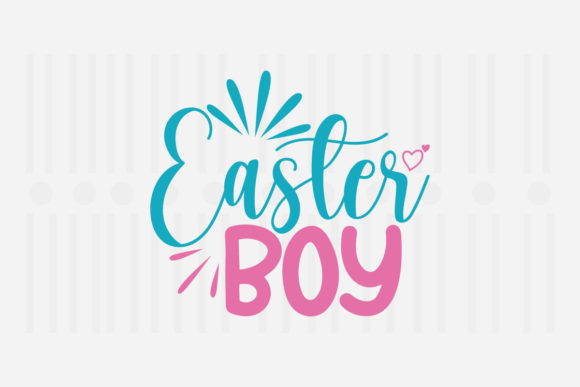
Easter Boy SVG Review: A Designer’s Take on Stitching Clarity
As a designer who spends half my day in digitizing software and the other half in front of an embroidery machine, I have developed a certain skepticism when it comes to digital downloads. The market is flooded with "ready-to-use" files that look charming on a screen but fall apart under the needle. Recently, I pulled up the Easter Boy, Easter SVG file to see if it held up to real-world scrutiny. This product falls squarely into the Crafts category as a Graphics asset, promising versatility for t-shirts, posters, mugs, and more. But does it translate well from vector art to stitched thread? Let’s dig into the practicalities.
First Impressions and Visual Personality
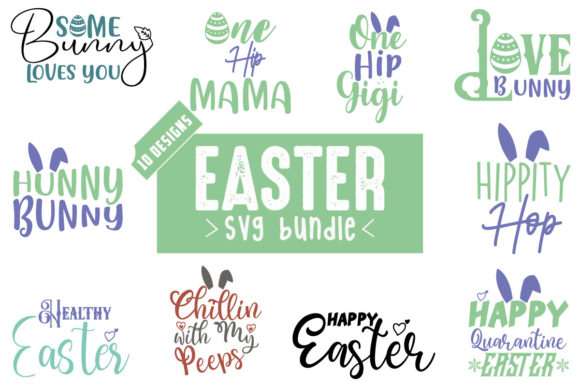
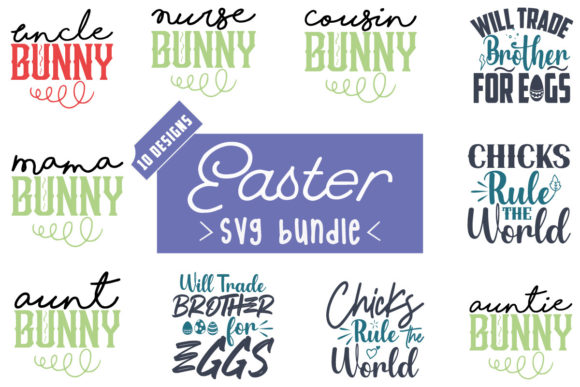
The moment you open the source file—whether in EPS or SVG format—the design presents itself as clean, approachable, and distinctly seasonal. The mood is warm and nostalgic, leaning heavily into the classic imagery associated with spring holidays. For a designer, the initial appeal lies in its simplicity. It isn’t trying to be overly complex or abstract; it aims for immediate recognition. This is crucial for handmade products where the customer needs to understand the theme at a glance.
The layout feels balanced, which suggests that the underlying vector paths are well-constructed. When I previewed how this might look as an applique design or a simple stitch-out, the shapes seemed distinct enough to hold their form without merging into a muddy blob. The character of the "Easter Boy" figure is friendly and soft, making it ideal for baby embroidery projects or nursery decor. It doesn’t feel aggressive or trendy in a way that will date quickly; instead, it has a timeless quality that fits well within a boutique brand aesthetic.
Real-World Application: From Screen to Stitch
I decided to test the viability of this embroidery project by imagining it on three specific items: a custom embroidered tote bag, a baby onesie, and a kitchen towel. These represent common revenue streams for Etsy sellers and small shop products.
- Tote Bag Design: On a canvas tote, this design would likely serve as a focal point. Because the file allows for easy color changes, placing it in the center or slightly off-center creates a striking visual. The contrast between the thread colors and the natural canvas fabric would enhance the fabric texture, giving the finished product a premium feel.
- Baby Embroidery: When scaling this down for a onesie or bib, clarity becomes king. The design’s lines appear robust enough to survive a smaller hoop size without losing definition. Parents often look for personalized gift items that are gentle and cute, and this graphic delivers that emotional connection immediately.
- Kitchen Towel: For a holiday embroidery item like a tea towel, the design’s versatility shines. You can swap out the thread colors to match your kitchen palette. If you use a stabilizer correctly, the stitching should remain crisp even after multiple washes, which is a key selling point for functional home goods.
The ability to change colors easily is a significant advantage here. In the world of commercial embroidery, flexibility means you can offer variations without needing to buy or download entirely new files. This efficiency is something any craft business owner appreciates.
Technical Considerations and Potential Pitfalls
No design is perfect, and transparency is part of a good review. While the vector source is clean, the translation to stitches depends heavily on your digitization choices and material selection. There are several areas where you need to exercise caution.
First, consider the hoop size. If you attempt to stitch this on very small items, such as a cap front or a tiny patch, you must ensure that the fine details do not get lost. Tiny lettering or intricate facial features can become illegible if the stitch density is too high or if the needle punches through the same spot too many times. Always inspect small details before committing to a production run.
Fabric choice is equally critical. This design might struggle on highly textured fabrics like heavy waffle-knit towels or stretchy jersey knits unless you use the right stabilizer. On dark fabric, you will need to choose thread colors that provide sufficient contrast, or the design may disappear. Conversely, on light fabrics, you have more freedom, but you must watch out for show-through from dense fill stitch areas.
Another potential issue is curved surfaces like caps or sweatshirt hoods. While the design looks great flat, projecting it onto a curve can distort the perspective. If you are creating custom apparel, plan your placement carefully to avoid stretching the image unnaturally.
Practical Designer Notes for Success
To get the best results from this digital embroidery file, I recommend following these steps before you start stitching:
- Test on Scrap Fabric: Never go straight to your final product. Stitch the design on a scrap piece of the same material to check for puckering or tension issues.
- Check Thread Contrast: Use a black-and-white mockup to verify that the different elements of the design separate well visually. If the colors blend together in grayscale, they might merge in thread.
- Review Stitch Density: If you are digitizing this yourself, keep an eye on the balance between satin stitch borders and running stitch details. Too much density can make the fabric stiff and uncomfortable, especially for baby clothes.
- Stabilizer Selection: Match your stabilizer to the fabric weight. A lightweight cut-away might be needed for delicate items, while a tear-away could suffice for stable cottons.
- Licensing Check: Before listing this as a small business merchandise item, confirm the licensing terms. Ensure you are allowed to sell finished goods created with this file, particularly if you are targeting the Etsy seller community.
Final Verdict: Is It Worth Adding to Your Assets?
For designers looking to expand their design assets library with a reliable, seasonally relevant option, the Easter Boy, Easter SVG is a solid addition. It offers a professional foundation that supports both personal hobbies and commercial ventures. Its strength lies in its adaptability—it works well as a standalone embroidery file or as part of a larger collection of graphics for print-on-demand services.
While it requires standard due diligence regarding fabric choice and stitch settings, the payoff is a cohesive, attractive product that resonates with customers seeking handmade quality. Whether you are preparing inventory for craft fairs, updating your online store, or making a special personalized gift, this design provides a dependable starting point. It doesn’t overpromise, but it delivers exactly what a smart, simple spring-themed design should: charm, clarity, and versatility.
If you are an experienced maker, you know that the devil is in the details. By paying attention to those details—hoop stability, thread quality, and proper finishing—you can transform this simple SVG into a standout finished product that builds trust and drives sales. Just remember to always test first, and let the quality of your execution speak louder than the file itself.